
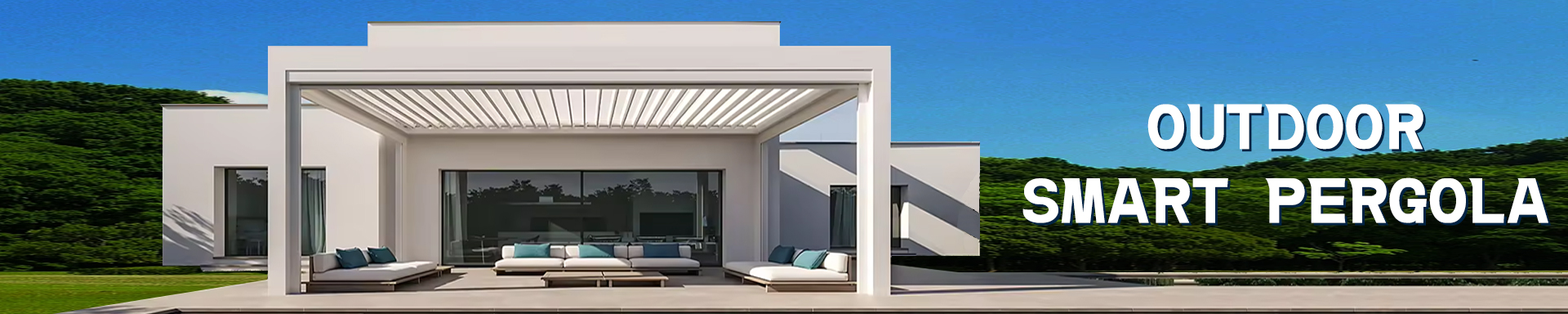
1. Understand Your Solar Carport Needs
Choosing the right Aluminum Solar Carport starts with understanding your unique needs. Not all carports serve the same purpose, and making assumptions can lead to wasted space, extra costs, or insufficient energy output. Clearly, knowing your objectives upfront will make the selection process much easier.
1.1 Determine the Purpose: Residential vs Commercial
The first step is identifying whether your solar carport is for a residential driveway, a commercial parking lot, or a mixed-use scenario. Residential setups usually focus on 1–2 vehicles, limited space, and aesthetic integration with your home. In contrast, commercial projects demand multi-car coverage, higher durability, and greater solar panel output to meet energy needs.
For example, a small family home might opt for a Freestanding Solar Aluminum Carport tucked alongside a garden, while a corporate office could require a Multi-car Solar Carport to provide shade for multiple employee vehicles and simultaneously generate power. Clearly, your purpose dictates the scale, design, and budget.
1.2 Assess Parking Space and Vehicle Size Requirements
Before finalizing a solar carport, measure your available space and consider the types of vehicles it needs to accommodate. Oversized vehicles, trucks, or SUVs require higher clearance and wider coverage. Likewise, tight spaces demand compact designs that still allow for solar panel installation.
| Vehicle Type | Recommended Carport Size | Ideal Roof Height | Notes |
|---|---|---|---|
| Sedan | 10×20 ft | 8 ft | Standard residential setup |
| SUV | 12×22 ft | 9 ft | Allows easy access and clearance |
| Pickup/Truck | 12×24 ft | 10 ft | Extra height for tall vehicles |
Using these measurements ensures your Solar Carport fits perfectly and provides sufficient space for maintenance and solar panel installation. Clearly, assessing your vehicle size first will save headaches later.
1.3 Consider Energy Production Goals
Not all solar carports generate the same amount of electricity. Your energy production goals determine how many panels, what panel type, and what roof orientation you need. Residential setups might require 2–6 kW, while commercial installations often demand 10–50 kW or more.
-
Calculate daily energy consumption to ensure the carport meets your needs.
-
Select panel efficiency and tilt angle for maximum sunlight capture.
-
Plan for expansion if you anticipate more vehicles or higher energy demands in the future.
Imagine installing a Custom Solar Aluminum Carport that perfectly aligns with your roofline, charges your EV overnight, and offsets a significant portion of your electricity bill. Clearly, defining your energy goals upfront guarantees your investment pays off efficiently.
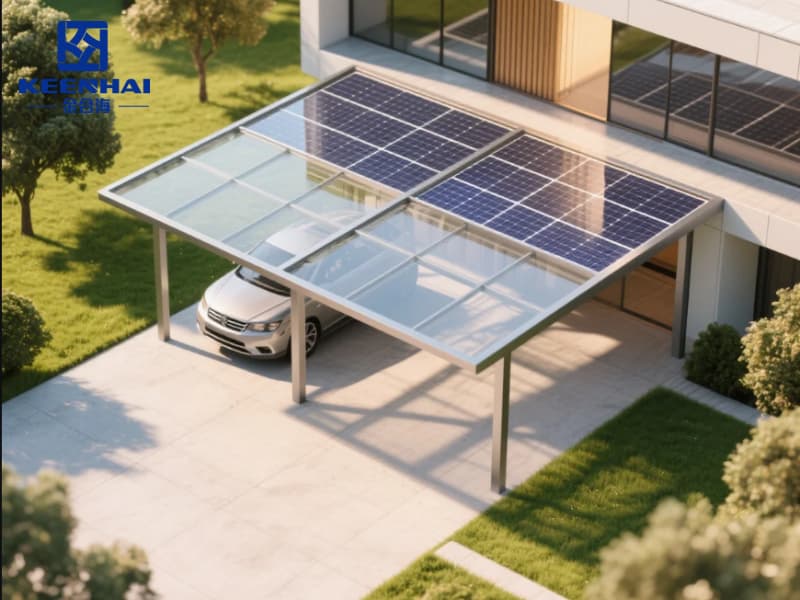
2. Evaluate Aluminum Frame Quality
The aluminum frame is the backbone of any Aluminum Solar Carport, dictating its lifespan, strength, and overall performance. A high-quality frame ensures your solar investment is safe, stable, and capable of withstanding harsh weather. Clearly, choosing the right frame is as critical as selecting the solar panels themselves.
2.1 Aluminum Grade and Durability
Not all aluminum alloys perform equally. For long-term durability, look for 6061-T6 or 6063-T6 aluminum—both provide excellent tensile strength and rigidity. 6061-T6 excels under heavy loads, making it ideal for large or multi-car structures, while 6063-T6 offers superior corrosion resistance with slightly lower strength, suitable for residential setups.
Durability is not just about weight—it's about how the frame reacts under stress and UV exposure. Outdoor tests show that 6061-T6 maintains structural integrity after over 15 years of exposure to sun, wind, and rain. For instance, a backyard Freestanding Solar Aluminum Carport using 6061-T6 alloy handled snow loads of over 50 lbs per square foot without noticeable deformation. Clearly, alloy choice directly impacts your carport’s lifespan.
2.2 Corrosion Resistance and Weather Performance
Aluminum naturally forms a protective oxide layer, but additional finishing processes dramatically improve longevity. Powder-coated or anodized finishes resist salt, moisture, and fading, essential for coastal or high-humidity areas.
When comparing untreated vs treated aluminum in coastal environments:
| Feature | Untreated Aluminum | Powder-Coated/Anodized Aluminum |
|---|---|---|
| Corrosion Resistance | Low | High |
| UV Fading Over 5 Years | Noticeable | Minimal |
| Maintenance Requirements | High | Low |
| Typical Lifespan (Years) | 10–12 | 20+ |
Residential users often underestimate corrosion, but a lightly salted driveway in winter or coastal air can significantly reduce lifespan if untreated. Clearly, proper finishing ensures your solar carport continues performing and looking great for decades.
2.3 Structural Design and Load-Bearing Capacity
A frame's design dictates not only stability but also its ability to hold solar panels, snow, and wind loads. Key considerations include:
-
Beam Thickness and Cross-Section – A thicker, rectangular profile supports heavier panels.
-
Column Placement – Optimal spacing (usually 6–10 ft apart) balances strength and space efficiency.
-
Joint Reinforcements – Bolted connections with corner gussets improve rigidity under stress.
-
Wind and Snow Load Rating – Look for carports rated for at least 90 mph winds and 40–50 lbs/sq ft snow, depending on your region.
In practice, a Multi-car Solar Carport installed in a suburban parking lot successfully bore 60 lbs/sq ft snow load while remaining structurally stable. Clearly, examining load ratings and joint design prevents costly failures down the line.
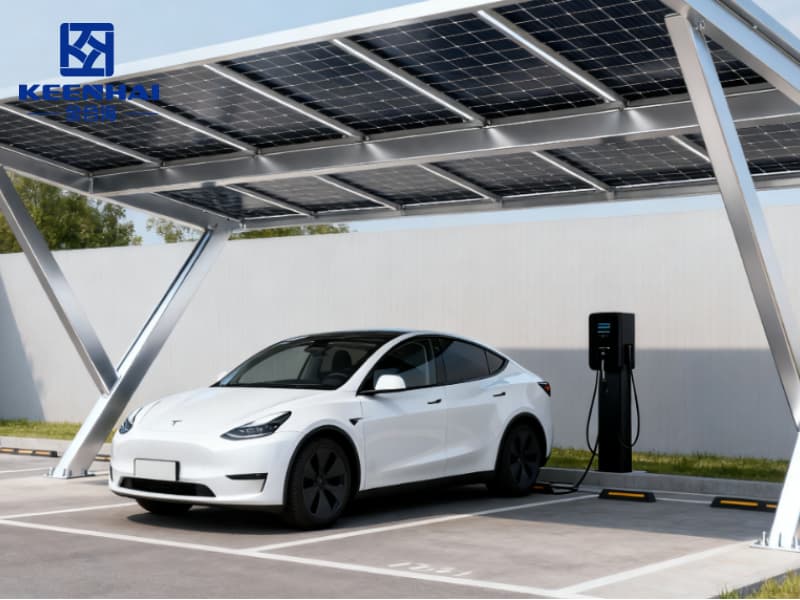
3. Solar Panel Considerations
When planning an Aluminum Solar Carport, the solar panels themselves determine both energy output and long-term efficiency. Choosing the right panel type and configuration can maximize your electricity generation while keeping installation manageable.
3.1 Type of Solar Panels Compatible with Aluminum Carports
Aluminum carports support multiple panel types, each with its advantages:
-
Monocrystalline Panels – High efficiency (20–23%), sleek appearance, ideal for limited space.
-
Polycrystalline Panels – Slightly lower efficiency (15–18%) but more budget-friendly.
-
Thin-Film Panels – Lightweight, flexible, but less efficient and require more surface area.
When pairing panels with your carport, check the frame’s load capacity. Monocrystalline panels are denser, so your Aluminum Solar Carport frame must support extra weight. For example, a freestanding unit on a suburban driveway easily accommodates 12–16 monocrystalline panels. Clearly, matching panel type to your frame ensures long-term stability.
3.2 Panel Efficiency and Power Output
Efficiency directly impacts how much energy you can generate from a given roof area. Higher efficiency panels produce more kWh per square foot, which is crucial for limited residential setups.
| Panel Type | Efficiency | Typical Residential Output | Ideal Carport Type |
|---|---|---|---|
| Monocrystalline | 20–23% | 2–6 kW | Freestanding or Custom |
| Polycrystalline | 15–18% | 1.5–5 kW | Standard Aluminum Solar Carport |
| Thin-Film | 10–12% | 1–3 kW | Custom or Large Multi-car |
Consider future energy needs. Installing slightly higher wattage panels now can offset additional vehicle charging or household expansion later. Clearly, panel efficiency is a key metric when calculating ROI for your solar carport investment.
3.3 Orientation and Tilt Options for Maximum Sunlight
To capture maximum sunlight, panel orientation and tilt must align with your geographic location. The basic steps are:
-
Face panels toward true south in the northern hemisphere (north in the southern hemisphere).
-
Adjust tilt angle based on latitude: typically, latitude ±15° depending on seasonal priorities.
-
Account for shade from nearby trees, buildings, or fences to prevent energy loss.
-
Ensure accessibility for panel cleaning and maintenance without obstructing vehicle parking.
Imagine a Custom Solar Aluminum Carport installed in a backyard: panels angled at 30° to the south generate 25% more energy annually compared to flat-mounted panels. Clearly, proper orientation and tilt maximize both efficiency and ROI.
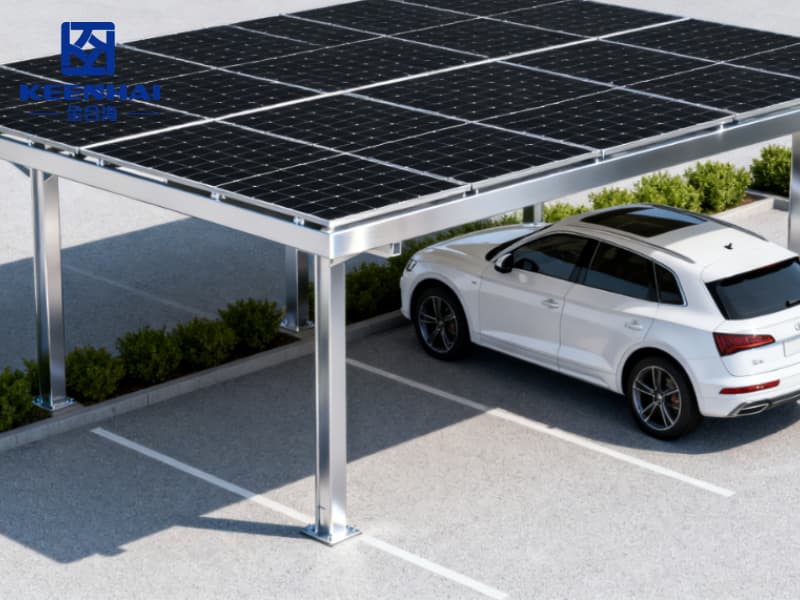
4. Design and Customization Options
Design and customization are what turn a standard Aluminum Solar Carport into a functional, visually appealing addition to your property. Focusing on style, integration, and aesthetics ensures your carport meets both energy and visual goals.
4.1 Roof Styles: Flat, Sloped, or Curved
The roof style affects solar efficiency, water drainage, and overall appearance. The main options include:
-
Flat Roof – Minimalist, easy to install, and compatible with most panel types. Ideal for low-profile residential driveways.
-
Sloped Roof – Enhances water runoff and can improve solar panel angle for better sunlight capture. Most multi-car or commercial setups benefit from a slope between 10°–15°.
-
Curved Roof – Offers a modern aesthetic and natural drainage but requires precise panel alignment.
When combining functionality with style, a sloped or curved roof can boost energy output by 10–20% compared to a flat configuration. For homeowners seeking a tailored look, a Custom Solar Aluminum Carport with a curved roof can integrate seamlessly with landscaping and provide extra shade. Clearly, roof choice impacts both efficiency and visual appeal.
4.2 Integration with Existing Driveways or Structures
Seamless integration prevents wasted space and maintains a cohesive look. Key steps include:
-
Measure and Map – Document your driveway dimensions and existing structures to ensure proper alignment.
-
Plan Access – Allow adequate clearance for vehicle entry and exit without interfering with doors or landscaping.
-
Anchor Points – Decide whether the carport will attach to an existing wall or stand independently, which affects structural load and foundation needs.
For example, a suburban home installed a freestanding unit alongside a garage, leaving 3 feet of walking space between the carport and garage wall. This design improved usability while keeping the structure stable and aesthetically balanced. Clearly, careful planning during integration saves both hassle and cost.
4.3 Aesthetic Considerations and Color Choices
The visual aspect is often overlooked but can make a huge difference. Aluminum carports can be powder-coated in neutral tones like silver or charcoal for a sleek modern look or in custom colors to match your home.
Additional design options include:
-
Roof panels in tempered glass or tinted polycarbonate for style and light diffusion.
-
Column designs that complement architectural lines.
-
Edge trim and fascia options for a finished, polished appearance.
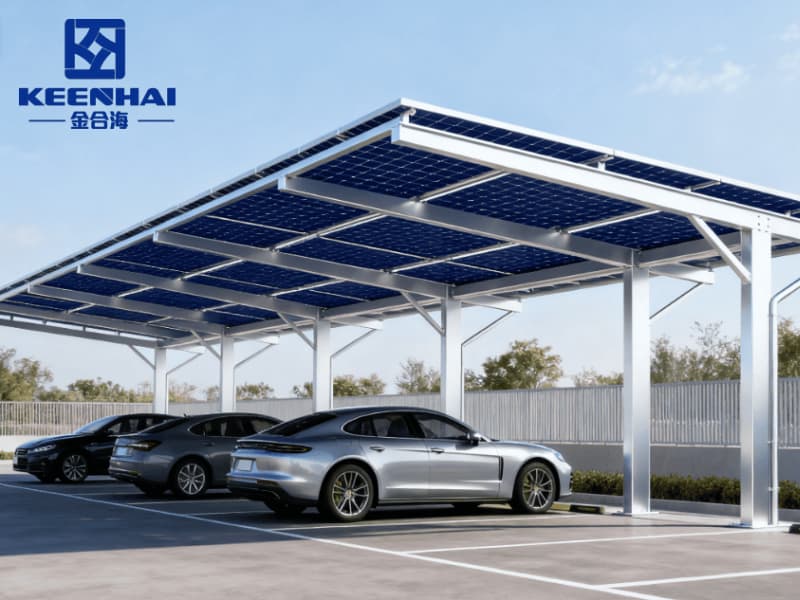
Installing a Multi-car Solar Carport with charcoal powder-coated aluminum and tinted panels, for example, can transform a standard parking area into a centerpiece that blends functionality with curb appeal. Clearly, aesthetics and color choices can enhance property value while keeping the structure practical.
5. Installation and Maintenance Factors
How easy it is to install and maintain your Aluminum Solar Carport significantly affects both upfront costs and long-term usability. Prioritizing these factors ensures your investment remains hassle-free and productive for years.
5.1 Ease of Installation and Kit vs Custom Build
Installation varies depending on whether you choose a pre-fabricated kit or a fully custom-built carport:
-
Pre-Fabricated Kits – Generally faster to install, often in 1–3 days for a single-car structure. Components are pre-drilled and labeled, which simplifies assembly. Ideal for DIY-savvy homeowners.
-
Custom Builds – Tailored to specific dimensions or property constraints, often requiring professional installation. Lead times can range from 2–6 weeks, depending on complexity.
For instance, a residential backyard installation of a Freestanding Solar Aluminum Carport with a sloped roof and 10 monocrystalline panels was completed in just under two days by a professional crew, minimizing disruption to daily life. Clearly, choosing between a kit and custom design depends on your skill, timeline, and project complexity.
5.2 Long-Term Maintenance Requirements
Maintenance is straightforward but requires routine attention to maximize performance and lifespan:
-
Panel Cleaning – Dust, pollen, or debris can reduce efficiency by up to 15% if neglected. A quarterly rinse is often sufficient.
-
Frame Inspection – Check for loose bolts, scratches, or minor corrosion spots. Powder-coated or anodized aluminum reduces this need significantly.
-
Structural Adjustments – Ensure columns remain plumb and panels are aligned; minor corrections prevent long-term sagging.
Keeping a simple log of inspection dates and maintenance actions ensures your Aluminum Solar Carport maintains peak efficiency. Clearly, proactive maintenance prevents costly repairs and energy loss.
5.3 Warranty and Support from Manufacturers
A reliable warranty and responsive support are essential when investing in a solar carport:
-
Warranty Coverage – Look for 10–20 years on the frame and 25 years on solar panels.
-
Service and Support – Confirm the manufacturer provides technical guidance, replacement parts, and clear installation instructions.
-
Claims Process – Evaluate how easy it is to file claims for defective parts or panels.
A multi-car commercial installation benefited from a manufacturer offering on-site inspection within 48 hours of a support request, ensuring minimal downtime. Clearly, warranty and support can make or break your long-term satisfaction.